


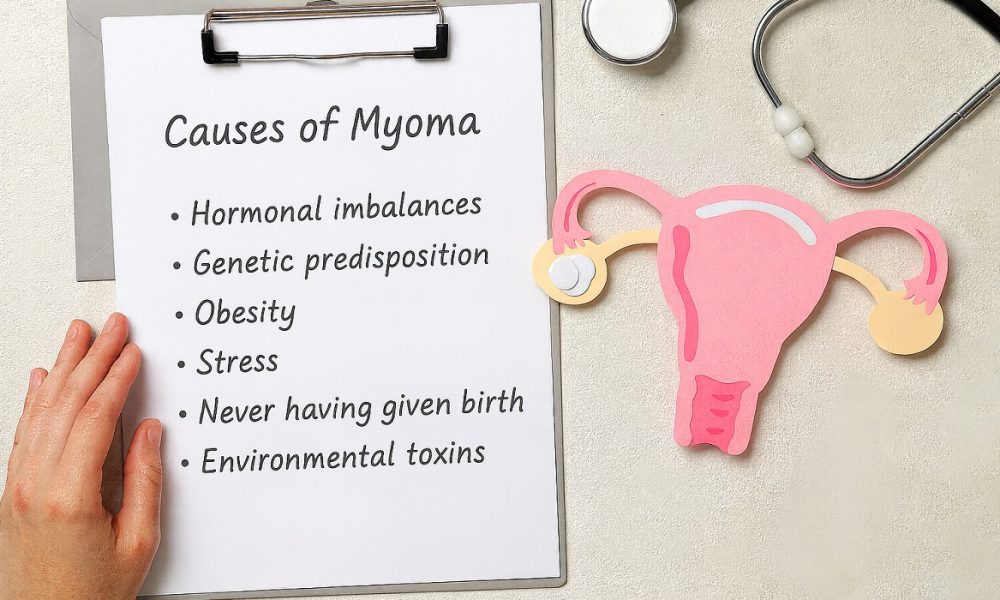
Uterine fibroids (myomas) are among the most common gynecological problems women may experience throughout their lives. Although they are generally considered benign tumors, they can lead to serious consequences that extend beyond physical symptoms, directly affecting your mood, quality of life, and even your self-confidence. Even if you occasionally try to ignore these symptoms, it is essential to pay close attention to any changes in your body once you notice them.
If you experience heavier or longer periods than usual, persistent bloating in your abdomen or groin area, or frequent urination, it is essential to identify the underlying causes of these symptoms. Doing so can help relieve your discomfort and prevent more serious health problems in the future.
Uterine fibroids often develop silently and can grow for a long time without causing any noticeable symptoms. That's why when you listen to your body and take even the slightest change seriously, you take a valuable step toward protecting your health. We are here to support you every step of the way, viewing your health as more than just a diagnosis or treatment. Our expert doctor, with years of experience in women's health, views each patient not merely as a medical case but as an individual with unique experiences, emotions, fears, expectations, and hopes for the future.
The formation of fibroids isn’t only influenced by physical factors but also by hormonal imbalances, genetic predispositions in your family history, stress levels, and exposure to environmental toxins. That's why we analyze you not just based on your symptoms but also through your lifestyle, habits, and overall health.
General Causes of Fibroids (Myomas)
It is impossible to summarize the factors that cause myomas under a single heading. Every woman's body reacts differently, and each individual's lifestyle, genetic background, and hormonal structure affect this process in different ways. Therefore, while the information we provide offers a general framework, it is critical to consult with our doctor directly to assess your specific situation and provide the most accurate guidance. Take a look at the general causes of myomas:
Hormonal imbalances
Estrogen and progesterone, known as female hormones, thicken the lining of the uterus and regulate the menstrual cycle. However, when there is an imbalance in these hormones, especially when estrogen levels remain high for an extended period, it triggers cell growth in the uterine muscle tissue. If you frequently experience hormonal symptoms such as premenstrual sensitivity, bloating, or breast tenderness, this may indicate that your hormones are out of balance, which can contribute to the development of myomas.
Genetic predisposition (family history)
If you have close relatives such as your mother, or sister with a history of myomas, you are at a higher risk of developing this condition. Genetic factors play an essential role in determining how your body responds to estrogen and progesterone. For this reason, during your initial consultation at our clinic, we carefully evaluate your family history and consider any genetic risk factors. Because every woman's story is different, your genetic makeup may be a determining factor in your treatment decisions.
Advanced age and changes during the reproductive period
Myomas usually appear more frequently after age 30 and are particularly prominent in women of childbearing age. As you age, hormonal changes increase the risk of myomas. If you are over 35 and have noticed changes in your menstrual cycle recently, you should consult our specialist without delay.
Obesity and unhealthy eating habits
Excess body fat increases estrogen production, which can trigger the development of fibroids. Irregular eating habits, excessive sugar, or processed food consumption negatively affect the hormonal system. If you have gained weight recently or have an unhealthy diet, don’t ignore the effects this may have on your uterine health.
Stress and psychological factors
Long-term stress directly affects not only your mood but also your body's hormonal structure. Constant high stress levels lead to increased cortisol hormone levels and indirectly disrupt estrogen balance. If you are struggling to cope with stress from work, family, or social life, it can affect your body in ways you may not even realize.
Never having given birth
Scientific research shows that women who have given birth have a lower risk of developing myomas compared to women who have never given birth. This is due to the hormonal changes experienced during pregnancy affecting the uterine wall in different ways. If you have never given birth and are considering having children, you should definitely share this information with your doctor. This will allow your doctor to guide you in the best possible way, both in terms of your health and emotional well-being, taking into account your future plans for motherhood.
Environmental factors and toxins
Certain chemicals, particularly substances like BPA found in plastics, can mimic estrogen levels in the body by having hormone-like effects. Prolonged exposure to such toxins may indirectly trigger the development of fibroids.
Frequently Asked Questions About the Causes of Myomas and Fibroids
Many women are curious about why fibroids (myomas) develop. Below, we’ve gathered the most common questions and clear answers to help you understand the possible causes.
The exact cause of myoma is unknown, but hormonal effects (mainly estrogen and progesterone) and genetic factors play the most crucial role in their formation.
The growth of fibroids is usually triggered by estrogen and progesterone hormones. Fibroids can grow faster during periods when these hormones are high, especially during reproductive age. In addition, pregnancy, genetic predisposition, and excess weight can also accelerate growth.
The growth of fibroids is most affected by the hormones estrogen and progesterone. These hormones thicken the uterine tissue while stimulating the growth of fibroid cells.
No single vitamin or mineral deficiency directly causes fibroids. However, research indicates that vitamin D deficiency, in particular, may increase the risk of developing fibroids.
Fibroids are most commonly seen in women aged 30–50 who have a family history of fibroids, are overweight, and have never given birth.
Fibroids most commonly occur in women of reproductive age, particularly between the ages of 20 and 40, and tend to shrink after menopause due to decreased hormone levels.
Fibroids usually don’t appear quickly; you begin to notice their growth with changes in hormone levels, particularly increases in estrogen and progesterone, genetic predisposition, or age, and you may feel as if they have ‘suddenly appeared’. Sarcoma in postmenopausal growing myomas; it is important to be cautious regarding the risk of myoma cancer.
The main factors that trigger sudden growth or increased symptoms of fibroids are hormonal changes (especially estrogen and progesterone), pregnancy, weight gain, stress, and certain lifestyle factors.
Stress doesn’t directly cause fibroids, but can trigger existing fibroids to grow or increase symptoms by affecting hormone balance.
There is no sure way to prevent fibroids completely, but maintaining a healthy weight, eating a balanced diet, exercising regularly, and paying attention to hormone balance can reduce the risk.
The growth rate of fibroids varies from person to person; some grow slowly over many years, while others can grow rapidly within a few months due to hormonal effects.
Yes, fibroids can be associated with specific health issues, particularly anemia (due to excessive bleeding), infertility, obesity, high blood pressure, risk of premature birth, and urinary tract problems, which are more common in the presence of fibroids.
Not all women have fibroids; however, approximately 20–40% of women between the ages of 30 and 40 may have fibroids. This rate rises to 70 per cent among those aged 40 to 50.
No, folic acid doesn’t increase fibroid growth; on the contrary, it benefits healthy cell development.
