


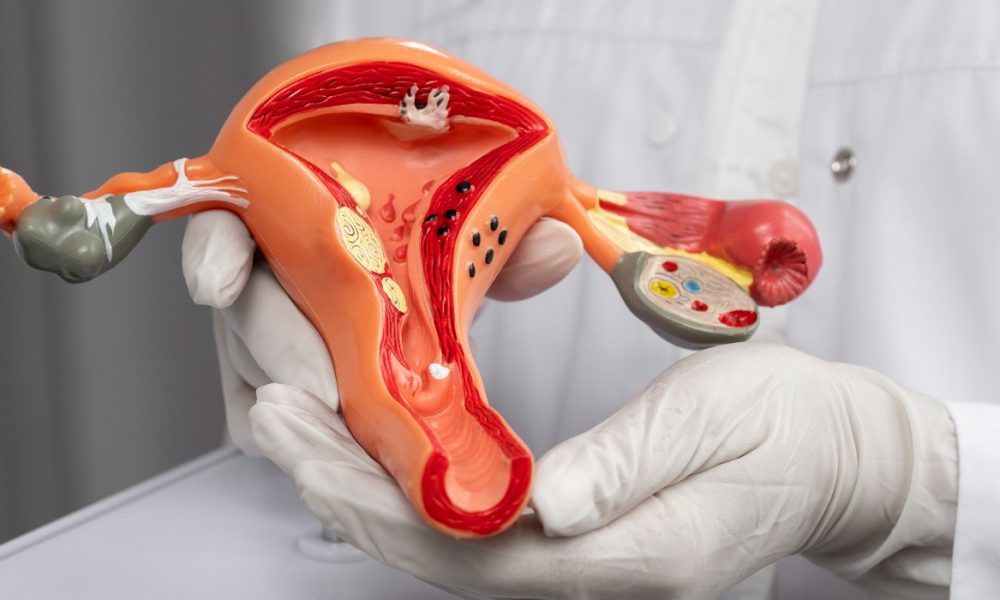
Uterine Myoma (Fibroids): Symptoms, Risks, and Non-Surgical Treatment Options
Some tissues in your body may change, grow, or take on unusual shapes over time. Certain formations that directly affect women's health can seriously reduce their quality of life, both physically and psychologically. One of the most common of these formations is myoma, uterine myoma, or uterine fibroids, which affect a large proportion of women and are quite common but often overlooked. If you experience symptoms such as pressure in the abdominal area, irregular menstrual bleeding, or frequent urination, it is highly beneficial to learn more about myomas.
When you are faced with these benign tumors that grow abnormally in the muscle tissue that forms your uterus, you may not notice them at first because myomas often don’t cause any symptoms. However, as they grow in size or number over time, they can cause problems that negatively affect your daily life. These growths, more common in women between the ages of 30 and 50, develop under the influence of the hormone estrogen and are particularly prevalent in individuals of reproductive age. Therefore, your hormonal balance plays a decisive role in forming uterine fibroids.
If you have a family history of myomas or started menstruating at an early age, you may be prone to this condition. Being overweight, never having given birth, or undergoing specific estrogen-containing treatments can also increase the risk of myoma formation. As you get to know your body better, you will be able to notice these changes more easily. Because this condition doesn’t show symptoms, it can only be detected through regular doctor check-ups. Therefore, seeing your doctor regularly without neglecting yourself will allow you to detect possible risks in advance.
Before making a diagnosis, our doctor will take a detailed gynecological history and perform a physical examination. At this stage, the doctor may also use an ultrasound to assess whether there are any masses in your uterus. Open communication and sharing your symptoms in detail will facilitate an accurate diagnosis during this process.
Our specialist will tailor the treatment process entirely to your quality of life and desire to have children. Many women report feeling relief and improving their quality of life after myoma treatment. If you have been struggling with irregular periods, pelvic pain, or bloating for a long time, and these symptoms are getting worse every day, you should not ignore this condition.
Thanks to advancing technology, you no longer need surgery to get rid of fibroids. We offer you a completely comfortable and safe treatment method that allows you to regain your health in a short time while preserving your uterus. With non-surgical myoma treatment, our specialist preserves your uterus and permanently eliminates the complaints caused by myomas.

Who is Affected by Myoma?
Myomas, which are closely related to women's health, are quite common in society but often progress silently and only become apparent with specific symptoms. You may think these formations only affect a particular age group, but the reality is much more complex. Myomas can develop in every woman for different reasons, and certain risk factors can significantly increase your chances of developing them. If you fall into one of the following groups, you are more likely to develop uterine fibroids:
Women between the ages of 30 and 50
This age group is particularly affected by reproductive hormones, and fibroids are more common in individuals with high estrogen levels. If you are in this age group, you should consider yourself at risk.
Individuals with a family history of fibroids
If your mother, aunt, or sister has a history of uterine fibroids, you are more likely to experience a similar condition. Genetic predisposition plays a vital role in this regard.
Women who have never given birth
In women who have given birth, the uterine muscles work differently, and hormonal fluctuations change. However, if you have never given birth, you are at a higher risk of developing fibroids. This situation may affect your plans to become a mother, so it is essential to take precautions in advance.
Overweight or obese individuals
If your body fat percentage is high, your estrogen production also increases accordingly. Since fat tissue affects hormone production, being overweight can cause hormonal imbalances, facilitating the development of fibroids.
Those with unhealthy diets
Your dietary habits also directly affect your uterine health. If you follow a diet low in fiber and high in sugar, your hormones will become unbalanced, and your immune system will weaken. This creates a favorable environment for the formation of fibroids.
Those with high stress levels
If you live under intense stress, your cortisol levels will rise, which can disrupt hormonal balance. Long-term stress weakens your body's natural defense system and causes hormones to function abnormally.
Smokers and alcohol consumers
Smoking and alcohol not only threaten your lungs and liver, but also your reproductive health. If you use these substances for a long time, your hormone production will be disrupted, and your uterine health may be impaired. In particular, the adverse effect of smoking on estrogen balance is a significant factor in the formation of fibroids.
