


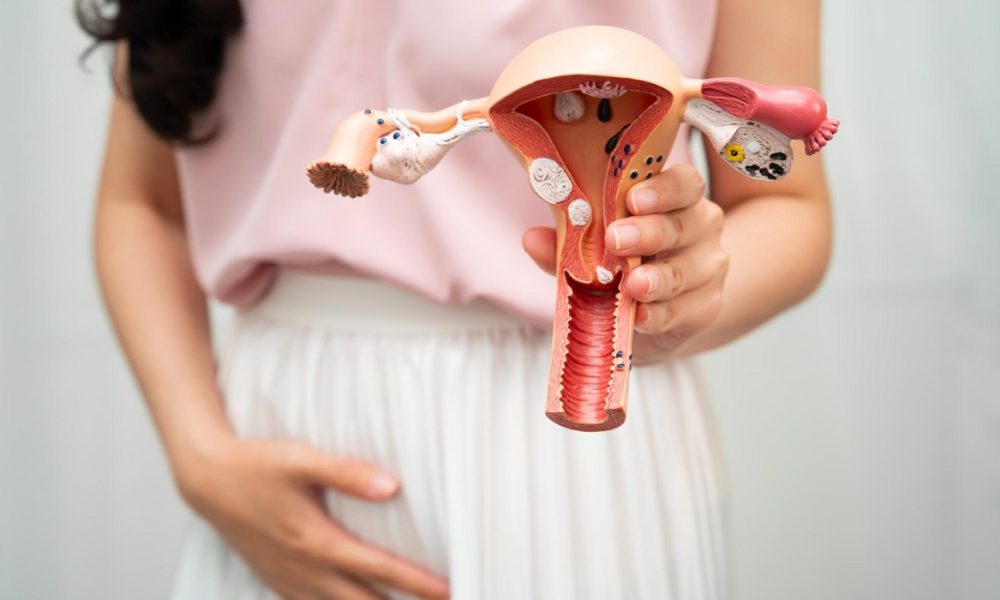
There are some problems with women's health that you often notice too late. However, your body alerts you to every small change, sometimes with an irregular menstrual cycle, pressure in the lower abdomen, or unexplained fatigue. When you ignore these symptoms or dismiss them as something that will go away on its own, you are essentially ignoring your body's distress signals. Myomas are precisely this condition—they progress silently but can be easily managed if detected early.
Our clinic adopts a highly comprehensive and personalized approach to diagnosing and treating fibroids, just as we do in many other areas of women's health. Our doctor, with many years of expertise in gynecology and obstetrics, treats each patient holistically, taking into account their medical history, expectations, and emotions. When you feel alone, helpless, or anxious, our expert not only provides treatment but also approaches you with trust, openness, and understanding, guiding you through the process together.
The symptoms of myomas can vary significantly from person to person. You may not experience any symptoms, while another person may struggle with severe menstrual cramps that affect their daily life every month. This is directly related to the location, size, and number of myomas. At our clinic, we use the most advanced diagnostic methods to analyze these differences accurately. However, before proceeding with the diagnosis, we need to listen carefully to your symptoms and evaluate every detail with great care.
Common Symptoms of Myomas (Fibroids)
If you experience heavier than usual bleeding, longer periods, or clotting during your menstrual cycle, you should not consider these symptoms normal. These symptoms may indicate the development of a myoma in your uterus. Similarly, if you feel pressure, bloating, or a constant need to urinate in your groin area, you should not attribute these feelings to stress or your diet. Take a closer look at the general symptoms of myomas:
Irregular and excessive menstrual bleeding
If you experience heavier, clotted, or prolonged bleeding during your periods, this is the most common symptom of uterine fibroids. Myomas located close to the inner lining of the uterus can directly affect your menstrual cycle, leading to heavy blood loss.
Constant or periodic pain in the groin area
If you feel pressure, heaviness, or period-like cramps in your groin, this may be caused by pressure from a growing myoma on the surrounding tissue. This pain isn’t limited to your menstrual period and may affect your daily life. Our doctor will consider these types of pain and use imaging techniques along with a physical examination to determine the source of the pain.
Swelling or pressure in the lower abdomen
If you notice that your waistband feels tighter or that your abdomen is swollen, and this isn’t due to weight gain, the underlying cause may be a growing uterine fibroid. Especially large myomas can cause swelling you cannot feel from the outside by enlarging the uterus. We perform a detailed analysis with abdominal examination and ultrasound to evaluate these physical symptoms.
Frequent urination
Myomas located near the bladder in front of the uterus can put pressure on the bladder, causing you to urinate frequently. If you wake up at night to urinate, this may be related to uterine fibroids rather than a urinary tract infection. Our doctor carefully examines all possible tumorous structures that may be putting pressure on the bladder.
Constipation and bowel irregularities
If you experience slow bowel movements, difficulty defecating, or abdominal bloating, this may be caused by a posterior fibroid pressing on the intestines.
Pain during sexual intercourse (dyspareunia)
If you experience unusual and recurring pain during sexual intercourse, this may be caused by a fibroid located in the uterine wall. This pain isn’t only physical but can also have psychological effects over time. For this reason, our doctor carefully evaluates all uterine pathologies that affect sexual life and takes a solution-oriented approach.
Difficulty conceiving or recurrent miscarriages
If you have been unable to conceive despite unprotected intercourse for a long time, or if you experience early miscarriages despite becoming pregnant, the underlying cause may be a fibroid that prevents the embryo from implanting in the uterus. We comprehensively evaluate your fertility process, hormone levels, and uterine structure. Our doctor meticulously investigates all factors preventing you from having children.
Constant fatigue and weakness
If you are experiencing anemia due to heavy menstrual bleeding without realizing it, this can reduce your daily energy levels and negatively affect your work and social life. A drop in your blood values can cause systemic symptoms such as fatigue, dizziness, and shortness of breath. We don’t consider these types of general complaints to be simple fatigue; our expert doctor will perform detailed tests until the underlying cause is found.
Lower back pain
Even if you don't think you have poor posture, if you experience persistent pain in your lower back, a myoma located in the back of the uterus may be pressing on nerve structures. In this case, the pain may not be localized but may manifest as nerve pain radiating to the legs.
Frequently Asked Questions About the Symptoms of Myomas
Fibroids (myomas) can cause different symptoms, from heavy periods to pelvic pain but sometimes they cause none at all. Here we’ve collected the most frequently asked questions about symptoms, with clear and supportive answers.
The four most common symptoms of fibroids are heavy menstrual bleeding, irregular periods, abdominal or back pain, and frequent urination.
The most severe symptoms of fibroids are excessive vaginal bleeding, severe pelvic pain, fatigue due to anemia, and urinary or bowel problems.
Fibroid pain is usually felt as a constant pressure in the abdomen or pelvic area, cramp-like pain, or discomfort spreading to the back and legs.
Yes, fibroids, especially those close to the uterine cavity, can cause excessive bleeding and clot formation during menstruation.
Fibroid bleeding is typically longer than a menstrual period, heavy, dark red, or clotted, and is sometimes significantly heavier than normal menstrual bleeding.
If bleeding caused by fibroids is sudden, very heavy, accompanied by fainting or signs of severe anemia, it requires urgent intervention.
No, fibroids don’t disappear on their own, but blood clots may be seen during excessive bleeding caused by fibroids.
Yes, fibroids can cause cramp-like abdominal or pelvic pain and sometimes discomfort or pain when lying down at night.
Yes, excessive bleeding caused by fibroids can lead to anemia, which causes feelings of fatigue, weakness, and exhaustion.
In rare cases, huge fibroids or fibroids that suddenly grow and cause pressure can lead to nausea and vomiting.
Yes, large fibroids can cause digestive problems such as bloating, gas, and sometimes acid reflux by putting pressure on the abdominal cavity.
Yes, large fibroids can reduce appetite or cause a feeling of fullness (early satiety) by pressing on the stomach.
Yes, fibroids can cause pain in the back and legs by putting pressure on the pelvic or abdominal area.
Yes, fibroids that put pressure on the uterus can press on the bladder and cause frequent urination.
Pressure on the rectum or sigmoid colon can lead to constipation or a feeling of incomplete emptying.
Fibroids don’t directly cause headaches, but anemia resulting from excessive bleeding or hormonal changes can trigger headaches.
No, fibroids don’t usually cause fever; if there is a fever, an infection or other health problem should be investigated.
Signs that indicate the worsening of fibroids include heavier or more extended periods, increased pain, abdominal enlargement, frequent urination, or changes in bowel habits.
The abdominal area where fibroids are located usually feels like a hard mass, but it can sometimes feel softer depending on its size and location.
Fibroids mainly affect the uterus, but depending on their size, they can also pressure the bladder, rectum, intestines, and kidneys.
No, fibroids don’t directly cause weight gain; however, very large fibroids can cause bloating and increased abdominal volume.
Yes, pain caused by fibroids can feel like cramps and contractions, similar to labor pains.
